The Tool Is Never the Work
There are more ways to support our wellbeing than ever before.
The Tool Is Never the Work
There are more ways to support our wellbeing than ever before.
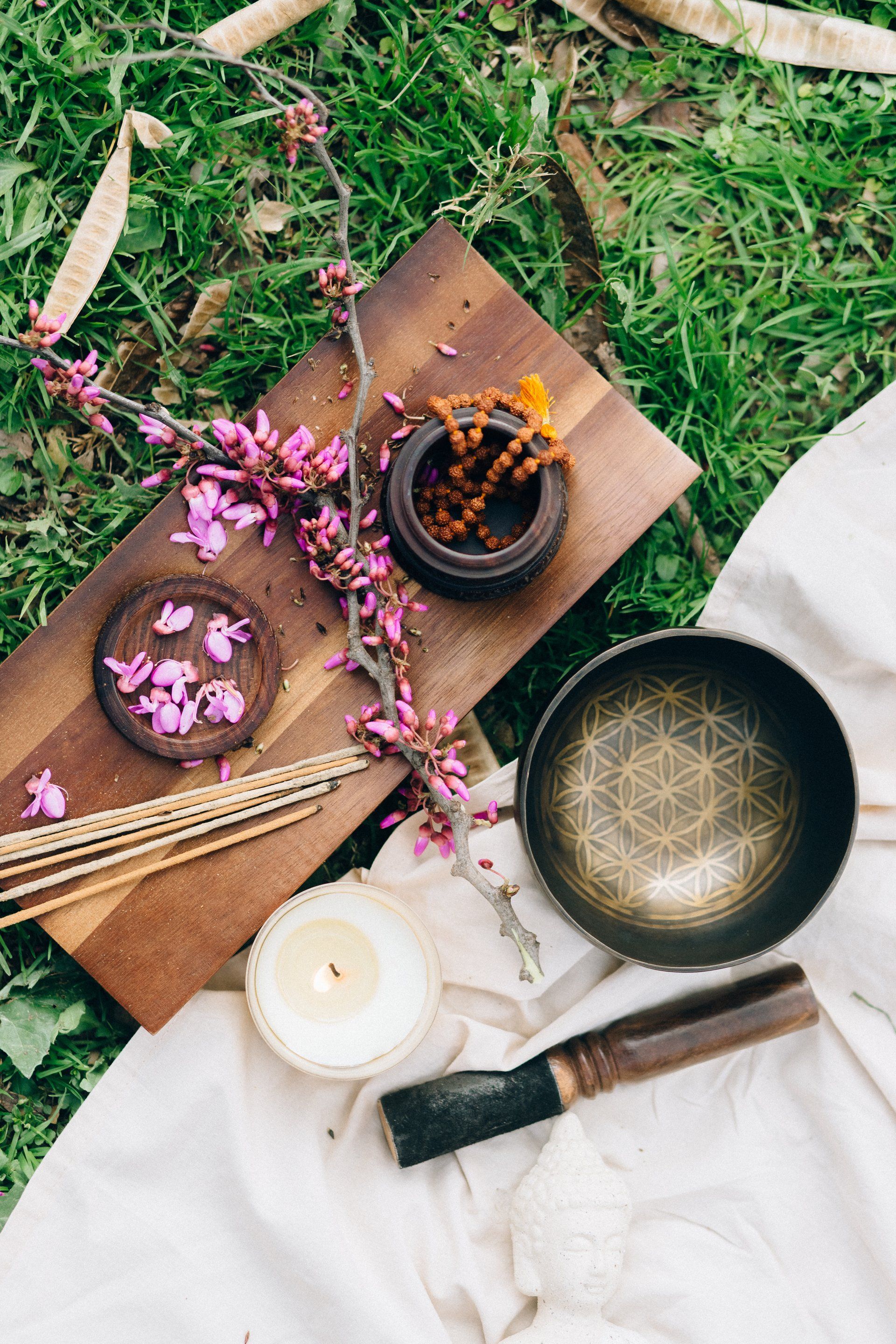
Essential oils. Supplements. Breathwork. Meditation. Reiki. Somatic practices. Nervous system tools. Kinesiology. Acupressure. Journalling. Sound. Crystals.
I use many of them.
Some form part of my own everyday life. Others sit within the work I do with clients. And depending on the person in front of me, I may draw on several within a single session.
But there’s something I think we can easily lose sight of in the wellness space:
The tool is never the work.
The tool supports the work.
When the Tool Becomes the Focus
It’s easy to find ourselves continually searching for the next thing that will make us feel better.
Another supplement.
Another morning routine.
Another nervous system technique.
Another book.
Another practitioner.
Another oil.
And none of those things are inherently a problem.
The question I’m more interested in is:
What are we actually trying to support?
Because if you’re constantly using tools to manage what you’re experiencing without becoming curious about what sits underneath it, you may find yourself addressing the same thing again and again in different forms.
You can learn how to calm your nervous system.
But why is your system continually being activated?
You can use an essential oil when you feel overwhelmed.
But what keeps creating the pressure you’re carrying?
You can become very good at managing a particular reaction.
But where did that reaction begin?
This is where the deeper work becomes interesting.
Looking Beneath What You’re Experiencing
When someone comes to see me, we may begin with what they’re noticing right now.
Perhaps they’re second-guessing themselves.
They’re exhausted but find it difficult to slow down.
They’re over-preparing for everything.
They keep having the same reaction within a relationship.
They understand a pattern intellectually, yet somehow still find themselves repeating it.
Or their body has started getting their attention.
Rather than immediately asking, What can we use to make this go away?, I’m interested in what the experience may be communicating.
What sits underneath it?
What has the body remembered?
What belief, emotion, experience or pattern might still be influencing the way this person responds today?
Sometimes the connection is obvious.
Often, it isn’t.
This Is Why My Sessions Don’t Follow a Formula
I don't believe everyone needs the same tool simply because they're experiencing a similar symptom or emotion.
Two people can walk through my door describing almost exactly the same thing and the work can take us somewhere completely different.
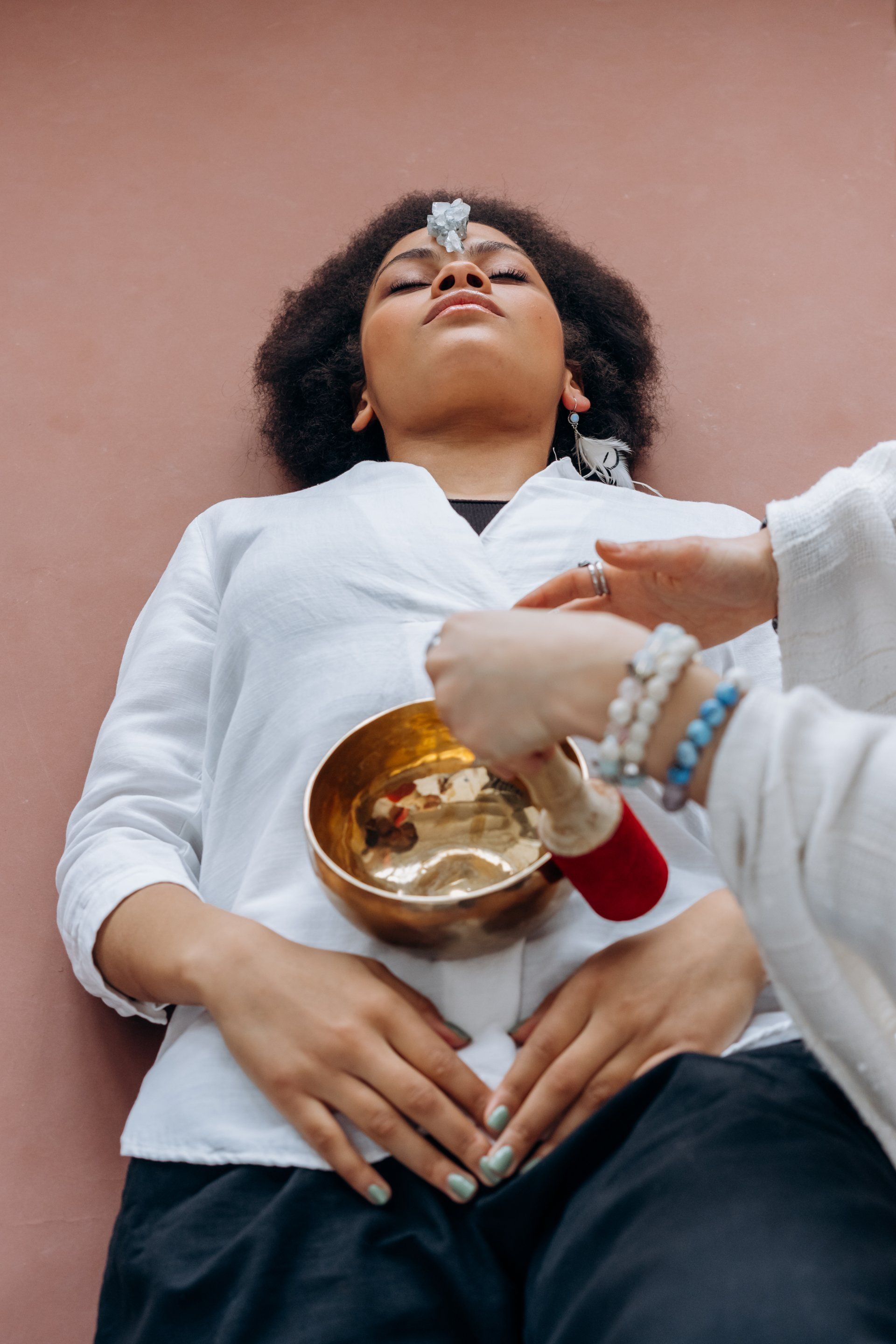
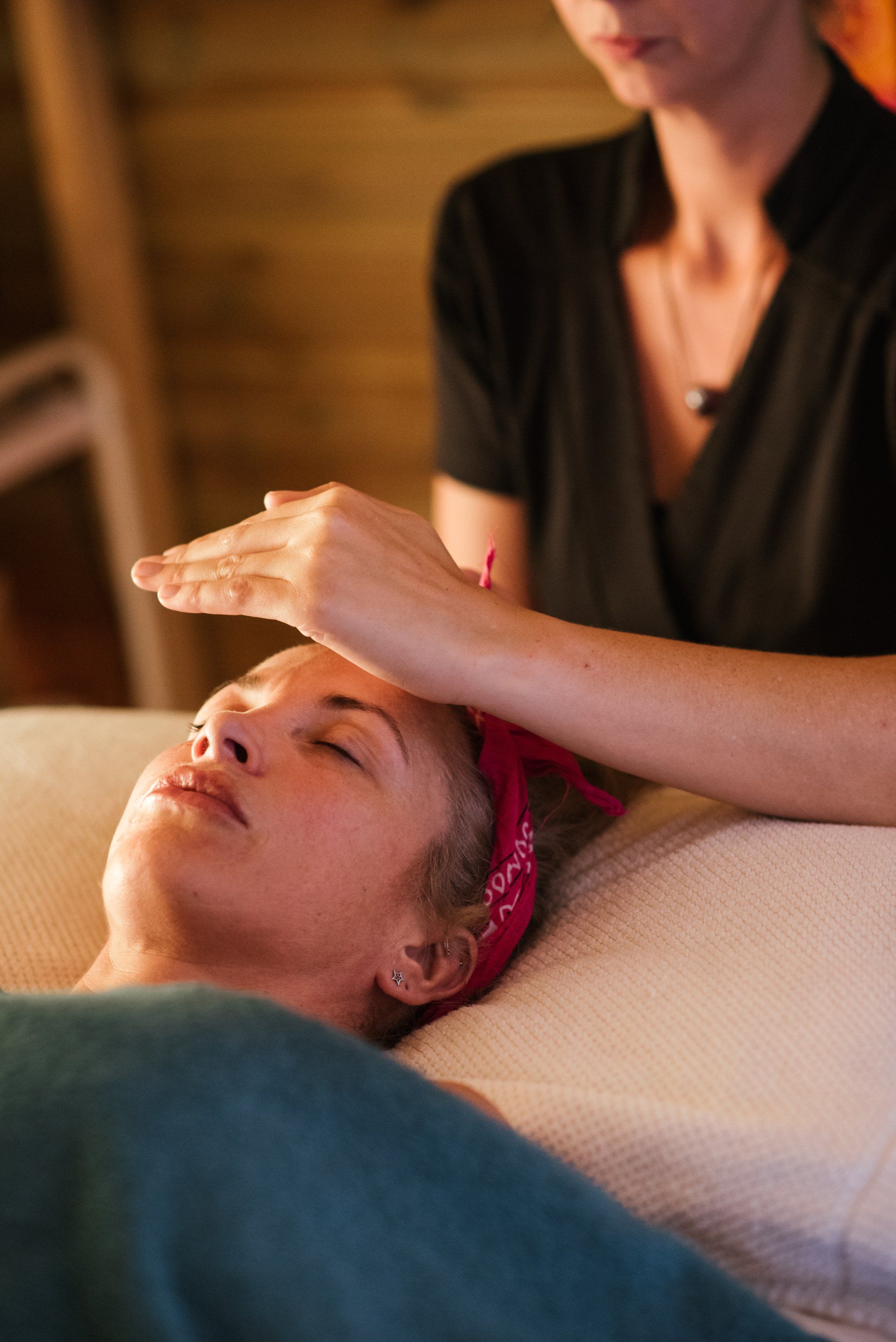
That’s why I use kinesiology to help us listen to the body and explore emotional and subconscious patterns. It’s why energy healing, Reiki, somatic practices, acupressure, breathwork and other forms of support may be woven into a session when they're relevant.
Sometimes we work with the nervous system.
Sometimes an old belief becomes the focus.
Sometimes the body brings our attention to a relationship or experience the conscious mind hadn't connected with what is happening now.
And sometimes the most useful thing isn't another technique at all.
It's recognising something you couldn't see before.
Clarity changes what becomes possible next.
Regulation Matters — But I Want to Know Why
Nervous system regulation has become an important part of the wellness conversation, and for good reason.
Having ways to support ourselves when we're under pressure can be incredibly valuable.
But for me, regulation and deeper healing aren't necessarily the same thing.
A breathing practice might help you settle in the moment.
A grounding exercise may help your body shift out of heightened activation.
An essential oil may create a useful sensory cue.
These can all be meaningful supports.
But I also want to understand why the body keeps returning to that response.
If we're always regulating the same pattern without exploring what continues to activate it, there may be another layer asking for our attention.
That’s where I tend to work.
Where Plant Medicine Fits
This is also why I’ve become clearer about the way I talk about plant medicine within my work.
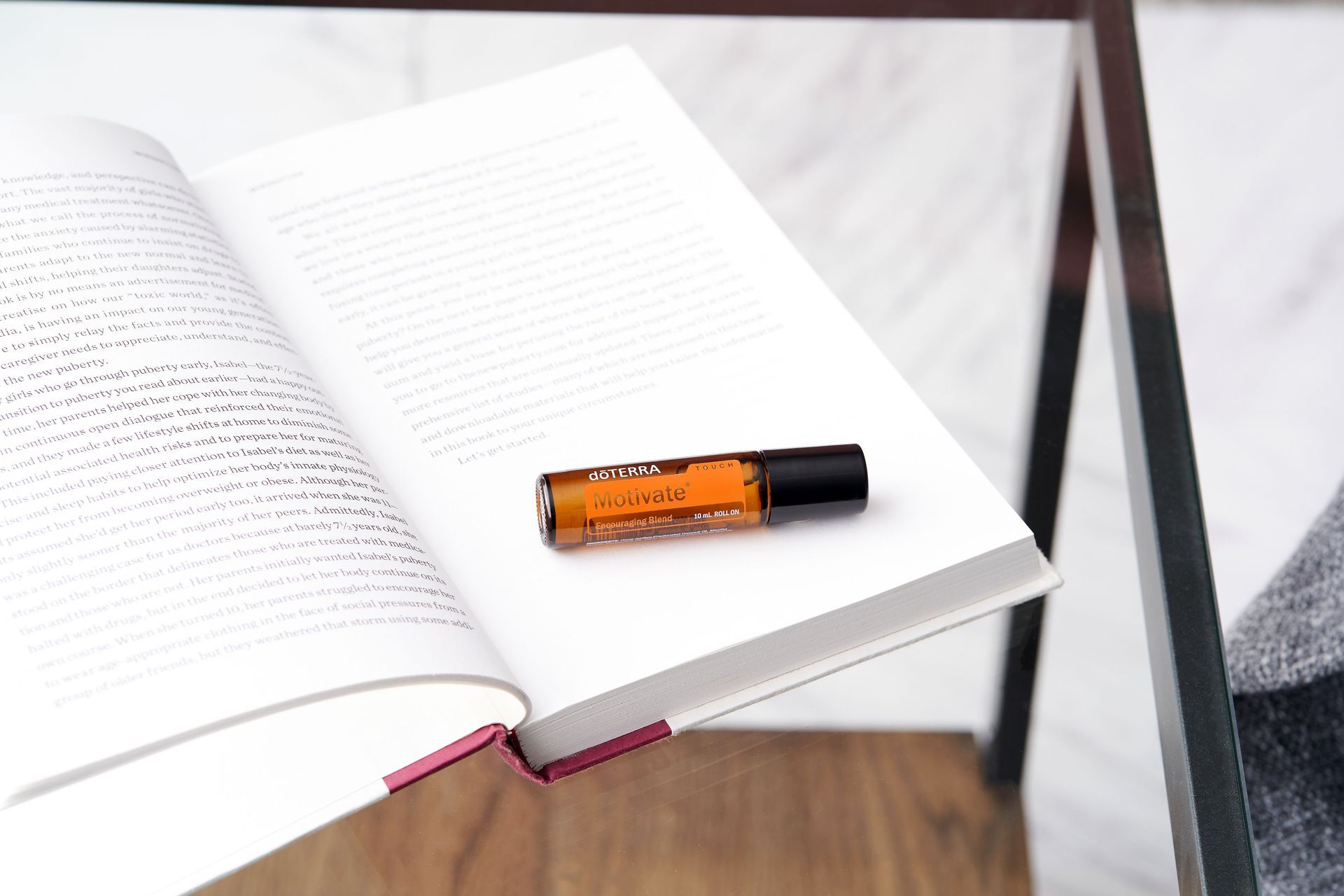
I love essential oils. I use them personally and professionally. I create personalised blends, and there are nutritional supplements I regularly recommend.
But I'm not interested in presenting a product as the answer to everything.
If something comes up within a session and an essential oil, custom blend or nutritional support could complement what we're working with, it can become part of the home reinforcement.
Something practical to continue supporting the body between sessions.
The same applies to breathwork, affirmations, acupressure, somatic practices or any of the other remedies I may suggest.
They're chosen with intention.
But they remain part of a much bigger picture.
You Are Not a Collection of Symptoms to Manage
Perhaps this is the part I feel most strongly about.
You are a whole person.
Your physical body doesn't exist separately from your emotions.
Your present-day reactions didn't develop without context.
Your beliefs, relationships, experiences, nervous system and subconscious patterns don't operate independently of one another.
So when something keeps showing up, I don't automatically see it as something that needs another tool thrown at it.
I see information.
Something to become curious about.
Something we may be able to understand differently.
And often, once we can see what has been sitting underneath the surface, the tools become far more useful — because now we know what we're actually supporting.
That is the difference.
The tool isn't the work.
You are the work.
And your body has a remarkable way of showing us where to begin.
The body remembers. I help you listen.
With warmth,
Renae x
Certified Kinesiologist, Intuitive Energy Healer & Reiki Master and Teacher
Journal